

types of low e glass
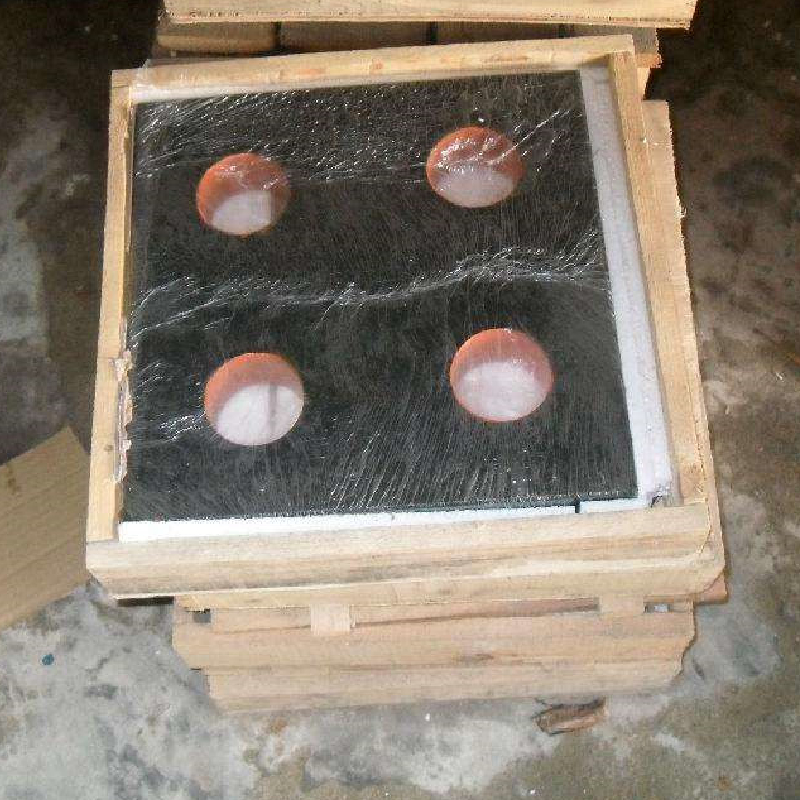
Precision woodworking requires accurate measuring tools, and the right angle ruler is an essential instrument for perfect 90° measurements. Whether you need a basic 90 degree angle ruler or professional-grade right angle ruler tool , understanding these tools' features ensures optimal results in your projects. Key Features of Right Angle Ruler Magnesium-aluminum alloy construction makes 90 degree angle ruler lightweight yet durable • Precision-ground edges ensure accurate measurements with your right angle ruler tool • Anodized finish protects right angle ruler from corrosion and wear • Laser-etched markings on 90 degree angle ruler remain visible long-term • Balanced design of right angle ruler tool allows for comfortable extended use Item Details Place of Origin Hebei Warranty 1 year Customized Support OEM Brand Name Storan Model Number 3003 Material Magnesium Item Weight 4kg Product Name Magnesium-aluminium Alloy Light Flat Ruler Material Magnesium-aluminium Alloy Size 630×400mm Package Plywood Box Certificate ISO9001 Grade 0 Grade Shipping By Sea or Air Keyword Parallel Rule Precision 0 Grade, 1 Grade, 2 Grade Technical Specifications of 90 Degree Angle Ruler Tensile strength of 47kg/mm² for right angle ruler durability • Elongation rate of 17% gives 90 degree angle ruler flexibility • Bending point of 110kg/mm² prevents deformation in right angle ruler tool • Vickers hardness of HV80 ensures right angle ruler surface integrity • Available in multiple sizes to suit different 90 degree angle ruler applications Woodworking Applications for Right Angle Ruler Tool Verifying squareness of joints with right angle ruler precision • Checking cabinet assembly alignment using 90 degree angle ruler • Marking perfect 90° cuts with right angle ruler tool accuracy • Ensuring perpendicularity in furniture construction with right angle ruler • Quality control inspection with professional 90 degree angle ruler Maintenance Tips for Right Angle Ruler Clean right angle ruler tool after each use with soft, dry cloth • Store 90 degree angle ruler in protective case when not in use • Avoid dropping right angle ruler to maintain precision edges • Check calibration periodically for right angle ruler tool accuracy • Keep away from extreme temperatures that could affect 90 degree angle ruler Advantages of Magnesium-Aluminum Right Angle Ruler Tool Lightweight right angle ruler reduces user fatigue during extended use • Non-magnetic properties make 90 degree angle ruler ideal for specialized workshops • Thermal stability ensures right angle ruler tool maintains accuracy • Corrosion-resistant material extends right angle ruler lifespan • Environmentally friendly 90 degree angle ruler material choice Right Angle Ruler FAQS Q: How does a right angle ruler improve precision compared to a standard 90 Degree Angle Ruler? A: A right angle ruler typically features interlocking arms or a solid L-shape for rigid 90° alignment, ideal for woodworking or metal fabrication. Unlike basic 90 Degree Angle Rulers that may flex, its structure ensures consistent squareness, making it crucial for tasks where even minor deviations affect functionality. Q: What materials are best for a durable right angle ruler tool? A: Stainless steel or aluminum right angle ruler tool s resist corrosion and wear, perfect for workshop use. For heavy-duty tasks, cast iron models offer higher impact resistance, while lightweight plastic versions suit casual DIY. Avoid low-grade steel, which can bend over time—unlike premium materials in professional 90 Degree Angle Rulers. Q: Can I use a 90 degree angle ruler for both woodworking and tile installation? A: Yes! A 90 degree angle ruler with a non-slip base and clear markings works for both. In woodworking, it helps cut precise joints; for tiling, it ensures straight layouts. Look for models with metric/imperial scales to switch between projects seamlessly, combining the versatility of a right angle ruler tool with practical design. Q: How often should I calibrate a right angle ruler versus a digital 90 Degree Angle Ruler? A: Mechanical right angle ruler s need annual calibration (using a known square surface), while digital 90 Degree Angle Rulers with LCD displays may auto-calibrate but require battery checks quarterly. For professional use—like cabinetry or construction—calibrate mechanical tools every 6 months to prevent cumulative errors. Q: What safety features should a right angle ruler tool have for metalworking? A: A right angle ruler tool for metalworking should have rounded edges to prevent cuts and a non-conductive handle (e.g., rubberized grip) to avoid electrical hazards. Unlike basic 90 Degree Angle Rulers, heavy-duty versions may include magnetic bases for stability on metal surfaces, reducing the risk of slippage during marking or cutting. Welcome to Storaen (Cangzhou) International Trading Co. – Where Precision Meets Innovation,Nestled in Botou, China’s cradle of casting excellence, we transform industrial needs into engineering masterpieces. For years, Storaen has stood as a paragon of reliability, crafting cast iron welding platforms, measuring tools, gauges, and valves that redefine precision. Our products aren’t just tools; they’re the backbone of global industries, from automotive giants to renewable energy innovators. Botou’s legacy of 2,000 years in casting merges with cutting-edge technology here. Every granite surface bears the mark of ancient craftsmanship, while our digital measuring tools pulse with modern ingenuity. We don’t just meet standards—we set them, subjecting each creation to 27 rigorous quality checks. Ready to elevate your operations? Dive into a world where “precision” is a promise, not a buzzword. Visit www.strmachinery.com to explore how our solutions can shape your next project. Let’s forge the future of industry—together.
about
types of low e glass
Understanding Gauge Pin Class A Comprehensive Overview In the realm of precision engineering and manufacturing, the concept of gauge pin classes plays a pivotal role in ensuring measurement accuracy and quality control. Gauge pins are often utilized as reference tools in the checking of dimensions, particularly in hole diameters, and it is essential to comprehend the various classes and standards associated with them. What are Gauge Pins? Gauge pins, also known as gauge blocks or precision pins, are cylindrical tools used to measure or check the diameter of holes accurately. Typically made from high-quality steel or carbide, these pins are designed to provide a specific diameter that is standardized, allowing for consistent measurements across various applications. They are integral to the fields of manufacturing, quality assurance, and mechanical engineering. Classification of Gauge Pins Gauge pins are classified according to their tolerances, which define how much deviation from the nominal size is permissible. These tolerances are critical to ensure that the parts being manufactured fit together correctly. The common classes of gauge pins include 1. Class A These pins have the tightest tolerances and are used in applications where precision is paramount. They are ideal for industries that require high-quality measurements and fittings, such as aerospace and automotive sectors. 2. Class B This class allows for slightly larger tolerances than Class A while still maintaining high levels of accuracy. Class B gauge pins are often used in situations where some degree of tolerable variation is acceptable, making them versatile for general engineering applications. 3. Class C Class C pins have the widest tolerances and are typically employed in applications where precision is less critical. They are commonly used in initial checking processes or for parts that do not require a high level of accuracy. gauge pin class The classification of gauge pins ensures that engineers and quality control professionals can choose the right tool for their specific needs, improving efficiency and accuracy in the manufacturing process. Standards and Measurement The tolerances associated with gauge pins are defined by various international standards. One of the most recognized standards is ISO (International Organization for Standardization) 286, which outlines the general principles of dimensional tolerancing. These standards are crucial as they provide a universal language for manufacturers, helping to ensure that different components fit together seamlessly regardless of where they were produced. Accurate measurement using gauge pins involves the right techniques. For instance, when measuring a hole, the pin should be inserted with a steady force to avoid altering the reading due to unexpected flexing or misalignment. It’s also vital to ensure that the pins are clean and free from debris to maintain the integrity of the measurements. Applications of Gauge Pins Gauge pins are widely used across various industries. In manufacturing, they are used to verify hole sizes, ensuring that parts assemble correctly. In quality control, they help in validating the production processes by confirming that components meet specified tolerances before they leave the factory. Moreover, in the tool and die industry, gauge pins are used as references for creating molds and dies, which must be manufactured to exact specifications. They also find applications in the calibration of measuring equipment, providing reliable benchmarks that enhance the precision of other measurement tools. Conclusion In conclusion, gauge pin classes are essential elements in the field of precision measurement and quality assurance. Understanding the different classes, tolerances, and applications of gauge pins enables engineers and manufacturers to select the right tools for their specific needs, promoting high standards of accuracy and efficiency in production. As industries continue to demand higher precision, the importance of gauge pins and their classification will only grow, underscoring their integral role in the future of manufacturing and engineering. Whether in aerospace, automotive, or general engineering, the significance of gauge pins remains undeniable, confirming their place as indispensable tools in the quest for quality and precision in modern manufacturing.
-

High quality industrial productsagement

High quality industrial products
View Details -

Meet the diverse needs of customers

Meet the diverse needs of customers
View Details -

Strict quality control

Strict quality control
View Details -

Top raw materials

Top raw materials
View Details -

Trusted supplier

Trusted supplier
View Details
Our application

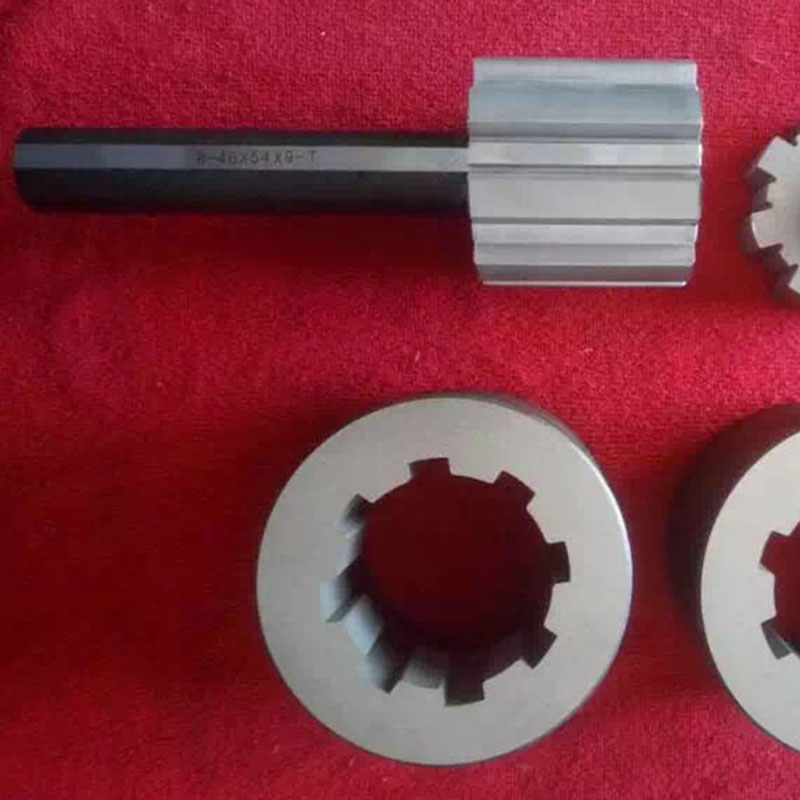
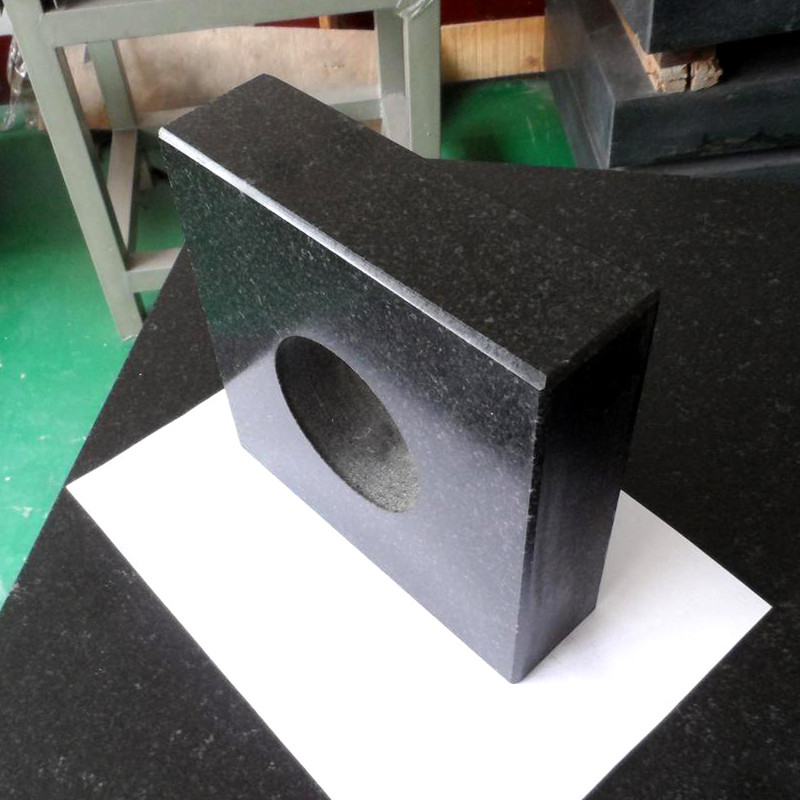
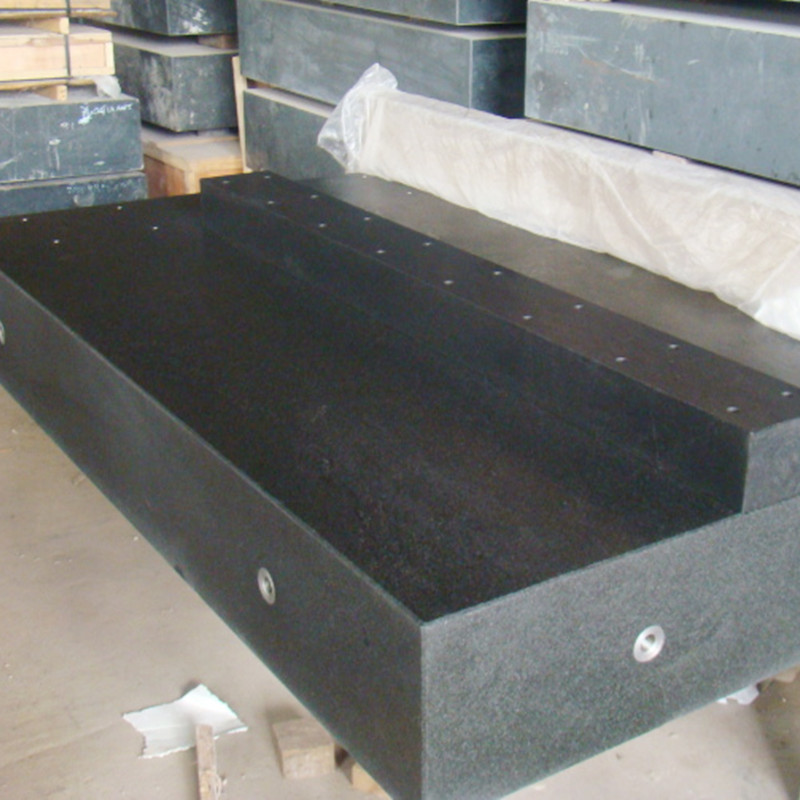
news and information
Water Pressure Control Valve for Efficient System Regulation and Flow Management
Understanding Water Pressure Reduction Valves A Comprehensive Guide Water pressure reduction valves
Y Type Strainer Valve for Efficient Fluid Filtration and Flow Control Solutions
Understanding Y-Type Strainer Valves A Comprehensive Overview In the realm of fluid mechanics and pi

v block design
Exploring the V-Block Design A Revolutionary Approach in Architecture In the ever-evolving landscape
 English